


Your Makeup Brushes Might Be Affecting Your Skin More Than You Think
There are some skincare conversations we have often. Cleansing. Sunscreen. Moisturising. Exfoliation.
But there is one conversation that many people completely overlook.
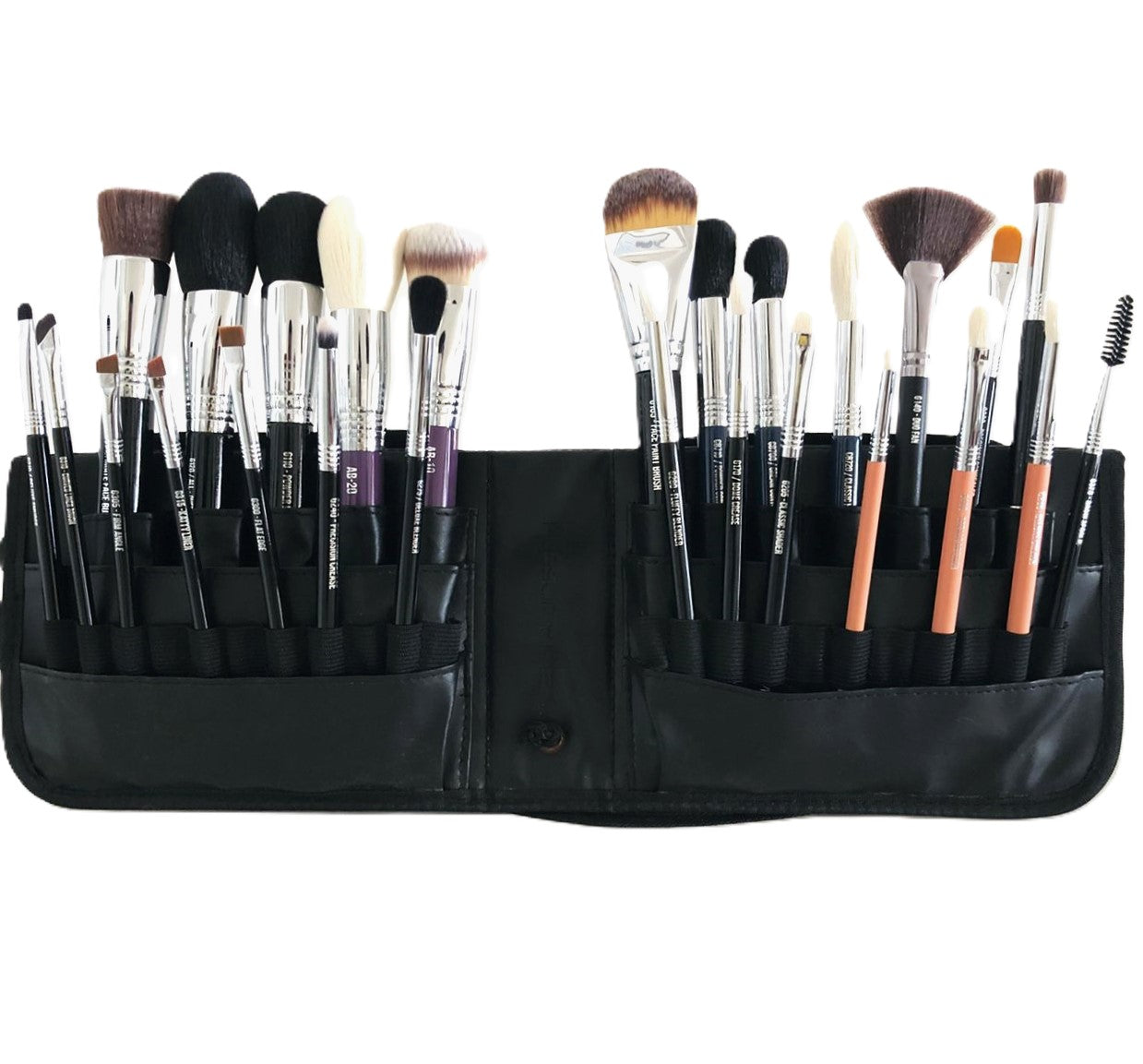
Their makeup tools. Your brushes and sponges repeatedly touch your skin, often carrying layers of foundation, powder, oil, sweat, dead skin cells, and environmental debris from previous applications. Over time, buildup accumulates quietly inside bristles and sponge material, even when tools appear visually clean.
And while makeup brushes help create beautiful finishes, poorly maintained tools can also affect makeup performance and overall skin hygiene.
Makeup Tools Collect More Than Makeup
Every time you use a brush or sponge, residue remains behind.
This includes:
• Foundation pigments
• Cream products
• Oils from the skin
• Sweat
• Dust and environmental particles
• Dead skin cells
When tools are not cleansed regularly, this buildup becomes harder to remove and may affect how makeup applies to the skin.
Brushes can become stiff. Sponges may begin holding old product. Makeup may stop blending properly.
In some cases, dirty tools may also contribute to congestion-prone skin environments, especially when repeatedly used around acne-prone or sensitive areas.
Your Makeup Application Depends on Clean Tools
Many people think their makeup products are the problem when the application starts looking uneven or patchy. Sometimes the issue is actually the tool itself.
A brush overloaded with old product can no longer distribute makeup evenly. A sponge filled with residue absorbs differently. Blending becomes inconsistent.
Clean tools support:
• Smoother application
• Better blending
• More accurate colour payoff
• Softer makeup finishes
• Improved tool longevity
Professional makeup artists understand this very well. Tool hygiene is part of the makeup process itself.
Why Harsh Cleaning Is Not Always Ideal
Another mistake people make is using very aggressive cleansers on brushes and sponges.
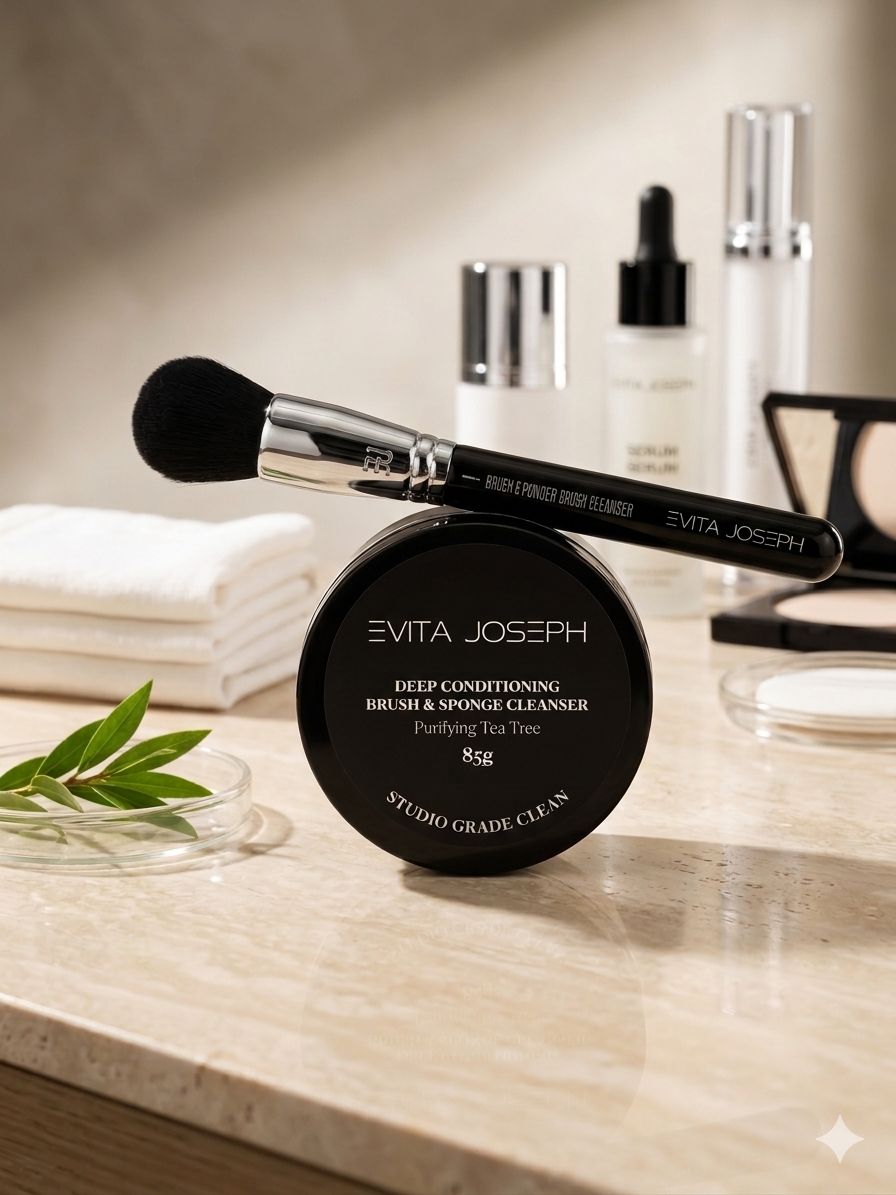
Some cleansers remove buildup effectively but can leave bristles feeling dry, rough, or weakened over time. That is why conditioning matters. A good brush cleanser should not only remove makeup residue. It should also help maintain the tool’s softness and flexibility.
Especially for delicate natural fibres and beauty sponges.
Your skincare does not begin and end with products. Sometimes it begins with the tools touching your skin every day.



Leave a comment
This site is protected by hCaptcha and the hCaptcha Privacy Policy and Terms of Service apply.