



What Happens to Your Skin in Perimenopause — and How to Care for It
If your skin suddenly feels different in your forties — drier, more sensitive, somehow less bouncy than it used to be, you're not imagining it, and you're not doing anything wrong.
It's one of the least-talked-about parts of perimenopause. We hear plenty about hot flushes and changing periods, but rarely about the quiet shift happening in our skin. Let's change that.
First, what is perimenopause?
Perimenopause is the transition leading up to menopause, the years when your hormones gradually begin to shift. It often starts in the mid-40s, though it can begin in the late 30s, and it can last anywhere from a few months to several years. (Menopause itself is a single moment: twelve months after your last period, on average, around age 51.) So if your skin is changing earlier than you expected, you're not alone, and you're certainly not overreacting.
It nearly all comes back to estrogen
Most of what happens to skin in this stage traces back to one hormone: estrogen. Estrogen quietly does a lot of work behind the scenes; it supports collagen to keep skin firm, helps skin hold onto water, keeps natural oils flowing, and helps maintain the protective barrier's calm, resilient state. As estrogen gradually dips, all of those jobs get a little harder. Understanding that a single root cause makes everything else fall into place.
What actually happens to your skin?
- It gets less firm.
Estrogen helps your skin make and maintain collagen, the protein that keeps it firm and springy. As estrogen levels fall, collagen production slows, and research suggests the skin can lose a meaningful portion of its collagen in the first few years around menopause. You might notice softer definition along the jaw, or fine lines that feel more set than before.
- It gets drier.
Estrogen also helps maintain your skin's oils, its natural hyaluronic acid, and the lipids that hold the barrier together. With less of it, skin holds onto less water and can feel dry, tight, or even itchy — sometimes for the first time in your life.
- It becomes more reactive
As the barrier weakens, it protects less and reacts more. Products you've used happily for years can suddenly sting or flush. This isn't a sign you're using the wrong things — it's a more fragile barrier asking for gentler care.
- Healing slows, and tone can shift.
Skin renewal naturally slows with age, so marks and blemishes take longer to fade, and skin can look a little duller. Hormonal fluctuations can also trigger uneven skin tone or melasma, patches of deeper pigmentation, which tend to show up more readily in pigment-prone skin.
- Breakouts can return.
Here's the confusing one: as estrogen falls, its balance with other hormones shifts, and some people get breakouts along the jaw and chin at the very same time their skin feels drier than ever. It seems contradictory, but it's completely normal.
How to care for perimenopausal skin
The theme for this whole stage is simple: *support, don't strip.* A few gentle principles go a long way.
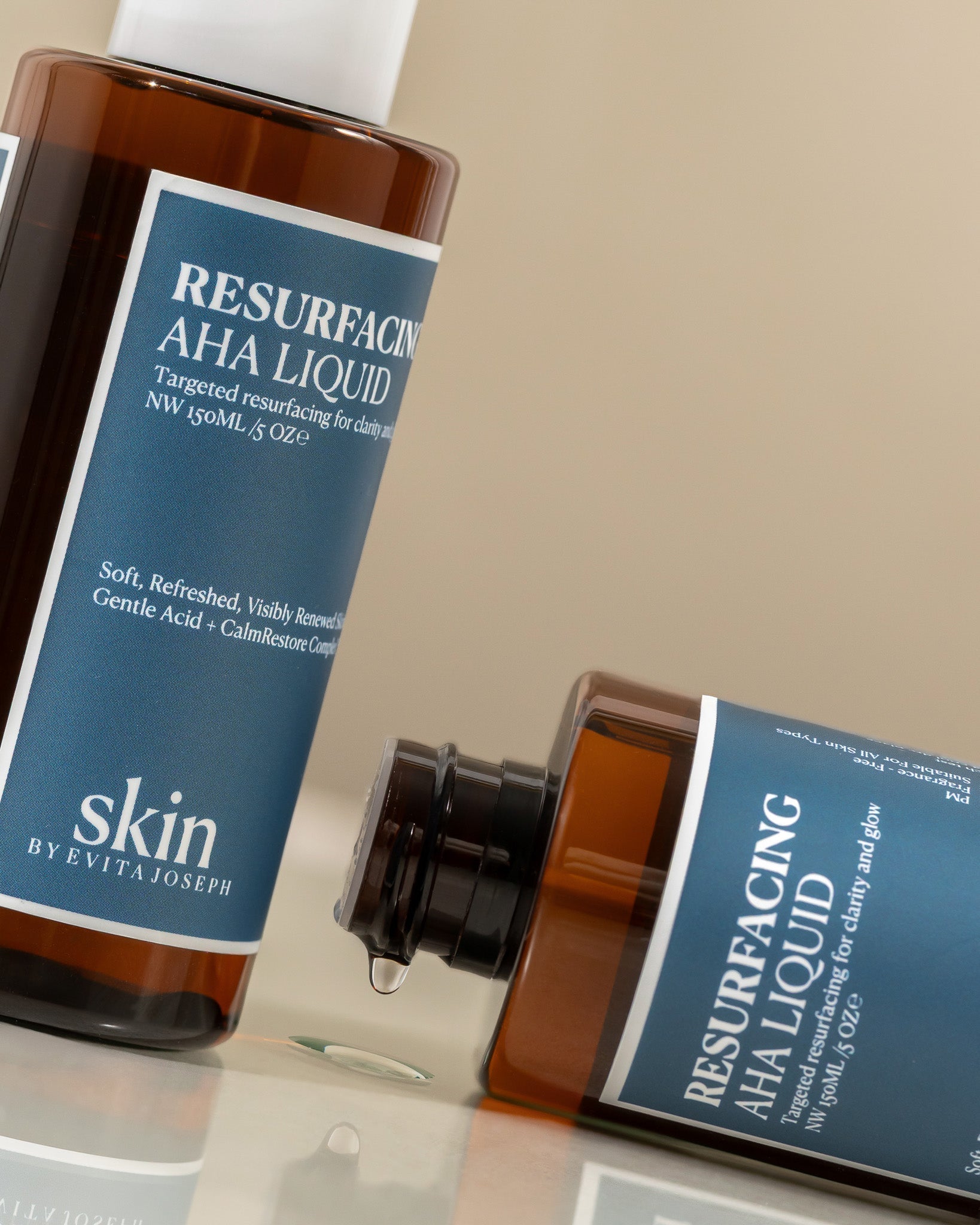
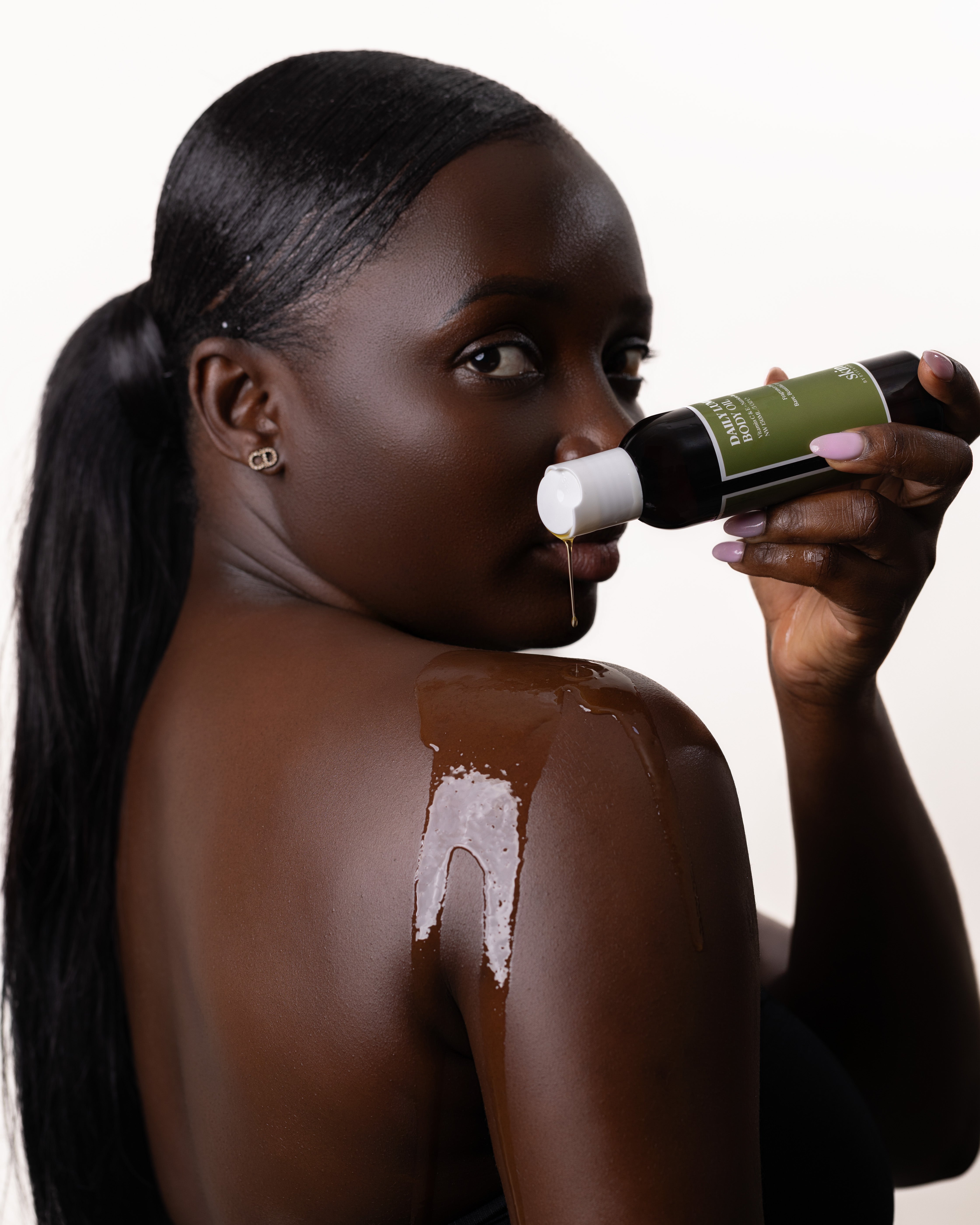
Lead with your barrier, swap harsh, stripping cleansers for gentle ones, because a healthy barrier is behind so much of how comfortable your skin feels. Hydrate in layers, using a humectant like hyaluronic acid or glycerin to draw in water, then seal it with a nourishing oil so it doesn't simply evaporate. Soothe the new reactivity with calming ingredients like Centella (often called Cica), which help comfort skin that suddenly stings easily. Keep your actives gentle; you don't have to give them up, just ease off with lower-strength retinoids and less frequent exfoliation. And wear SPF every day, since it protects collagen and helps keep pigment changes in check.
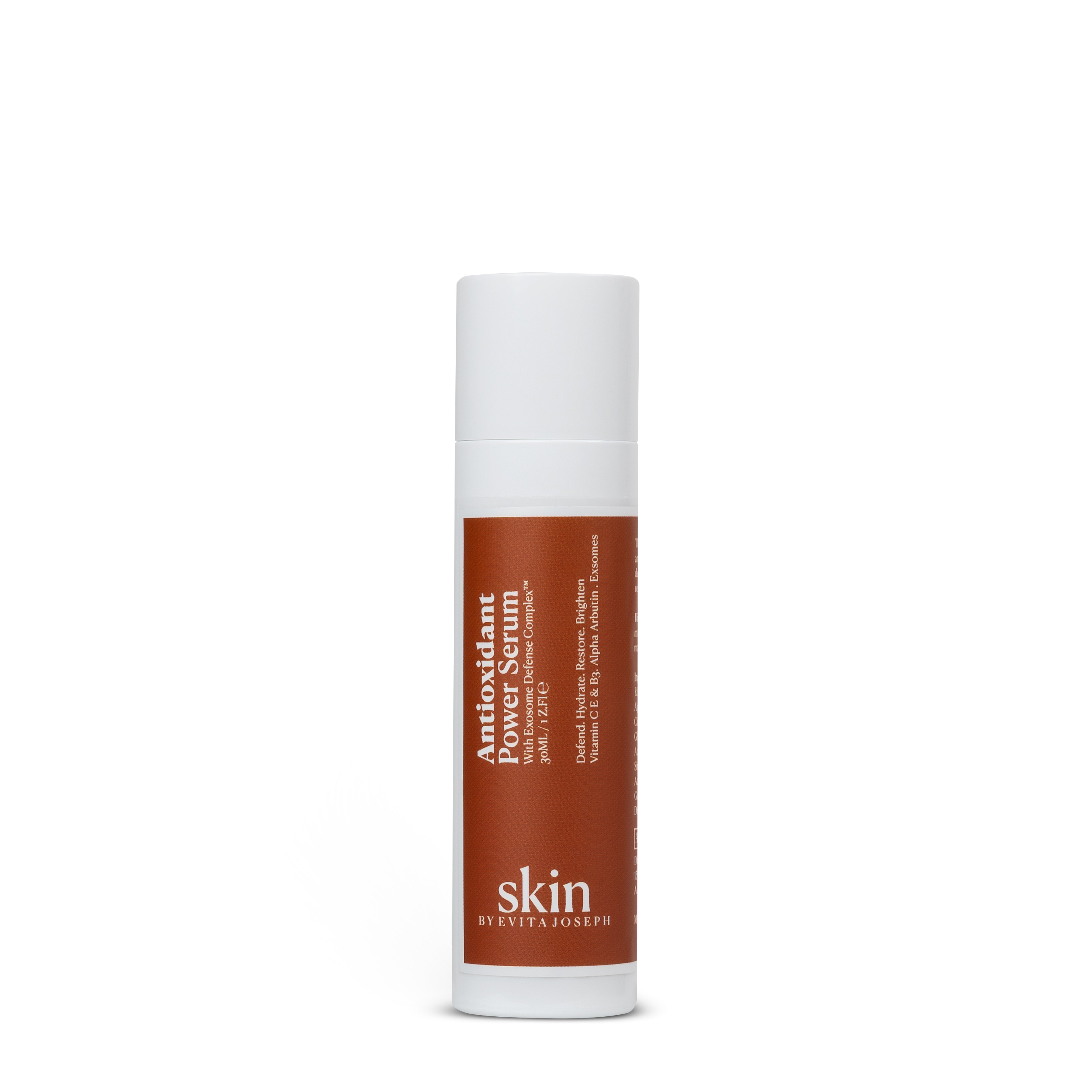
This is also where a soothing oil earns its place. Our Cica Soothing face oil was made for skin that's become drier and more reactive, soothing Centella and nourishing oils that bring comfort, not pressure, as your skin changes.
One honest note
Skincare can care for your skin beautifully, but it can't address the broader changes of perimenopause. For symptoms like hot flushes, disrupted sleep, or low mood, your GP is your teammate. Both matter, and you deserve support on both fronts.
Your skin isn't failing, it's evolving
The most important thing to hold onto is this: none of these changes means your skin is failing. It's changing, the way skin does through every season of life. Meet it with understanding rather than force, and it will keep doing its job, just with a little more care and a little more calm.



Leave a comment
This site is protected by hCaptcha and the hCaptcha Privacy Policy and Terms of Service apply.