
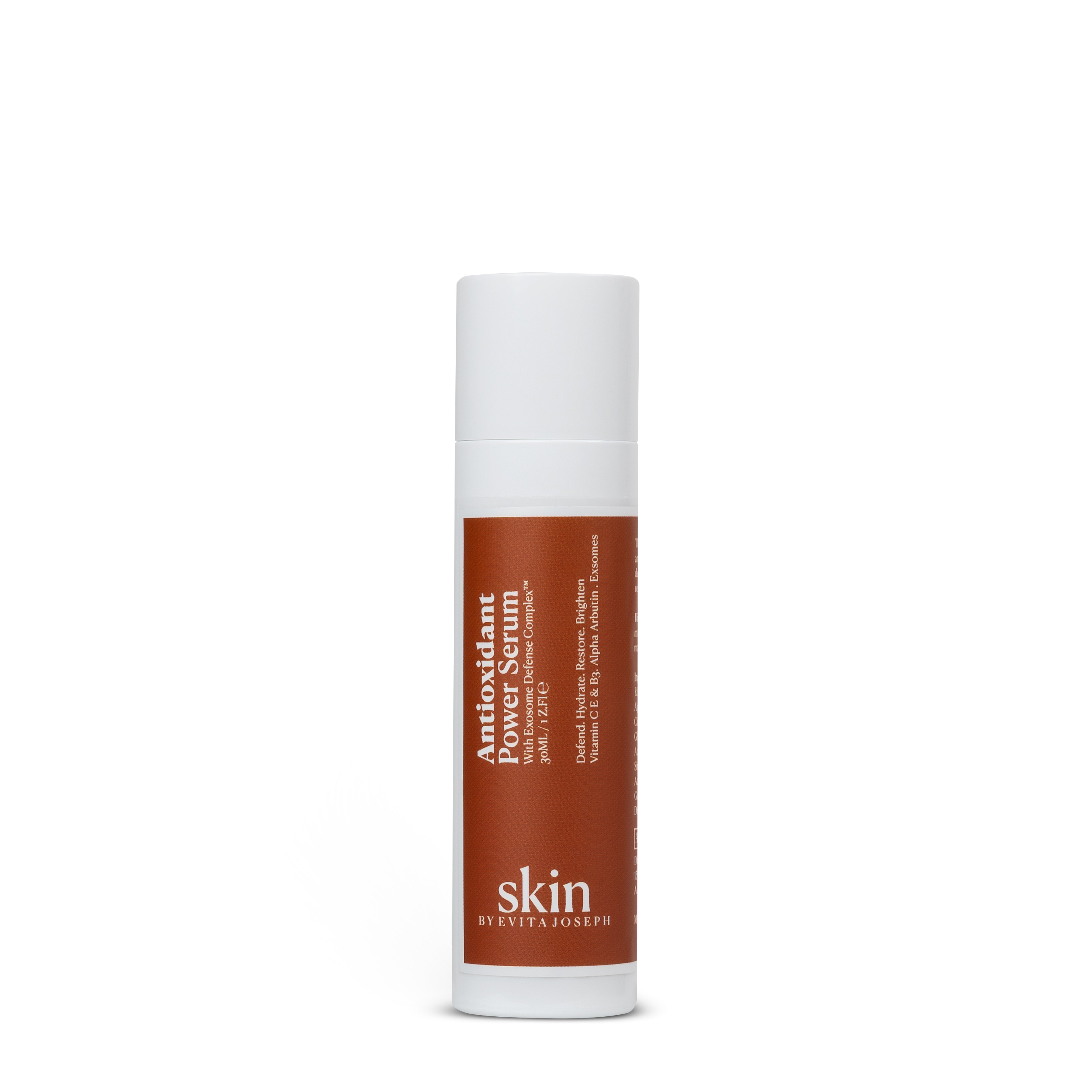



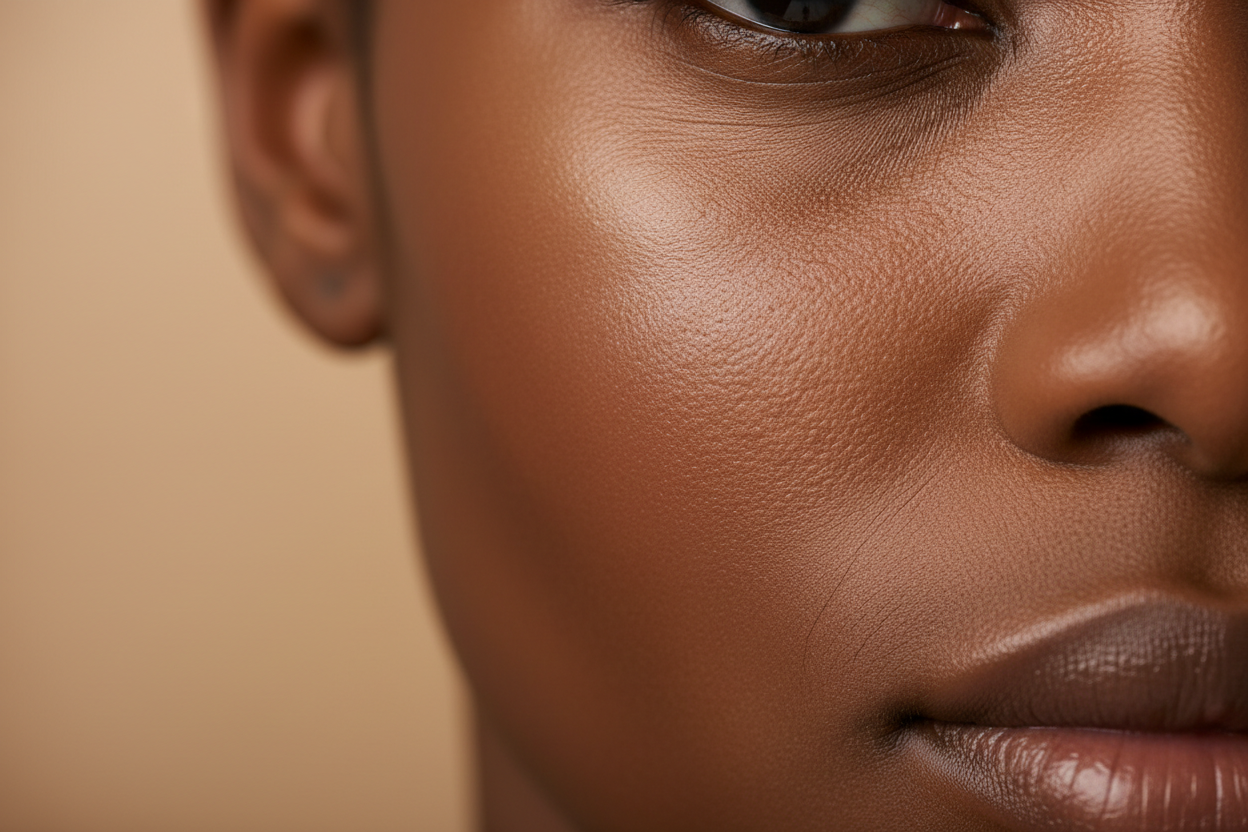
Why Is My Face Darker Than My Body And What Can I Do About It?
It’s one of the most common skin concerns people talk about: “My face looks darker than the rest of my body. What’s going on?” If this sounds like you, you’re not alone. Many people experience uneven skin tone, and the good news is that it can be understood, managed, and improved with the right approach.
Why Does the Face Get Darker?
Several factors can cause the skin on your face to look darker than your body:
-
Sun Exposure
Your face is usually the most exposed part of your body. Without consistent sun protection, UV rays can trigger excess melanin production, leading to tanning or darkening. -
Post-Inflammatory Hyperpigmentation (PIH)
Acne breakouts, eczema, or even minor irritation can leave behind dark marks on the face that accumulate over time. Using even harsh cleansers can cause this abd that's why we recommend a gentle cleanser formulated for dark skin . -
Hormonal Changes
Conditions like melasma, often triggered by pregnancy or hormonal shifts, can cause the face to darken more than other areas. -
Skincare Habits
Using harsh cleansers, skipping sunscreen, or over-exfoliating can damage the skin barrier and worsen pigmentation. -
Lifestyle & Environmental Factors
Pollution, stress, and even certain medications can contribute to uneven tone.
How to Tackle Facial Darkening
Here are practical, science-backed ways to even out your skin tone:
1. Commit to Daily Sun Protection
-
Use a broad-spectrum sunscreen (SPF 30 or higher) every morning.
-
Reapply every 2–3 hours if you’re outdoors.
-
Don’t forget hats and sunglasses for extra protection.
2. Incorporate Brightening Ingredients
Look for serums or creams with:
-
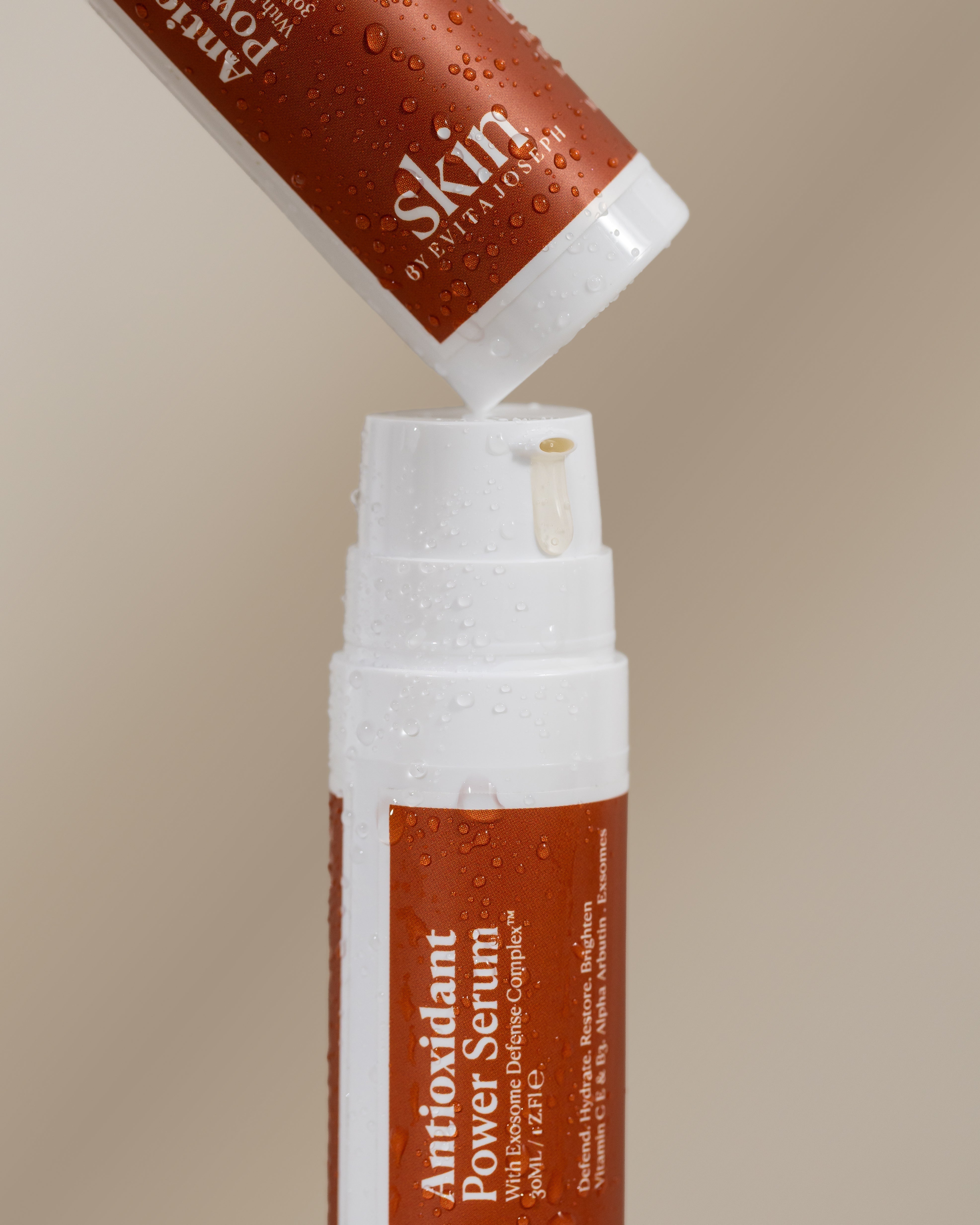
Vitamin C – helps reduce pigmentation and boosts radiance.
-
Niacinamide – evens out tone and strengthens the barrier.
-
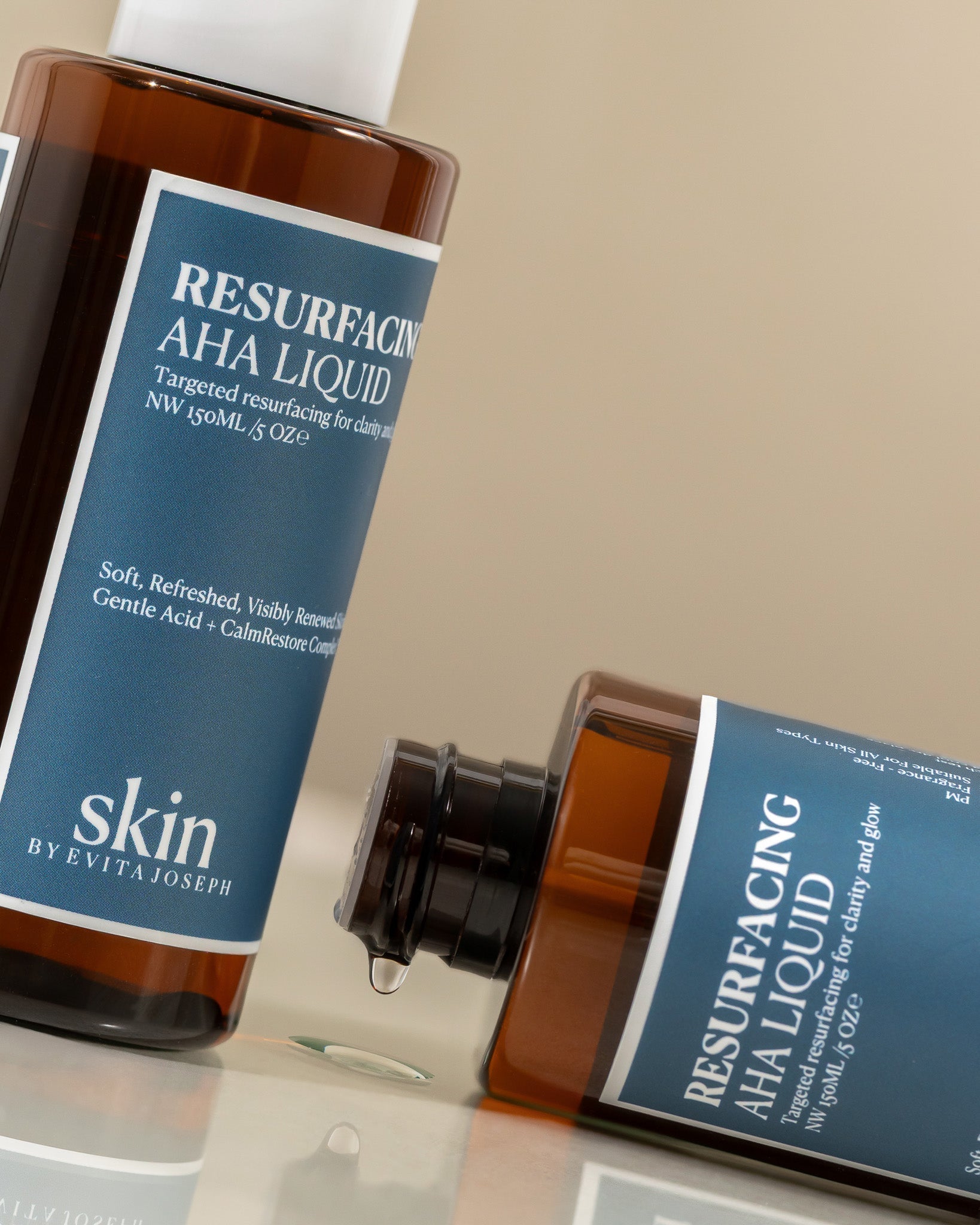
Tranexamic Acid, Kojic Acid, or Arbutin – targets stubborn dark spots.
3. Gentle Exfoliation
-
Use chemical exfoliants, such as mandelic acid or lactic acid, 1–2 times per week.
-
These help fade dark spots and promote smoother, brighter skin.
4. Strengthen the Skin Barrier
-
Hydrate with creams containing ceramides, glycerin, or squalane.
-
A strong barrier keeps your skin resilient and less prone to pigmentation.
5. Consistency Is Key
-
Results take time. Most brightening ingredients need 6–12 weeks of regular use before you see real progress.
6. Seek Professional Help if Needed
-
Dermatologists can offer treatments like chemical peels, laser therapy, or prescription creams for stubborn pigmentation.
If your face appears darker than your body, it’s typically a result of a combination of sun exposure, pigmentation, and skincare habits. The solution isn’t quick fixes or harsh treatments. It’s consistent care: protect, treat, hydrate, and be patient.
Remember, your skin tells your story. With the right steps, you can restore balance, glow, and confidence in your complexion.




Leave a comment
This site is protected by hCaptcha and the hCaptcha Privacy Policy and Terms of Service apply.